Eric Ries, author of The Lean Startup and his new book Incorruptible, shared that recently...

"I recently had a conversation with someone totally outside the startup world.
They were describing two people they'd met and said: 'Look, they both work at Patagonia.' And then they just continued with the story.
I was supposed to instantly understand everything about these two people.
That they obviously knew how to go camping. That they had strong ethics and values. That of course they cared about the environment. It hit me. There's something remarkable about a company whose name alone communicates an entire worldview. Patagonia stands for something so definite in people's minds that it can be used as shorthand for character."

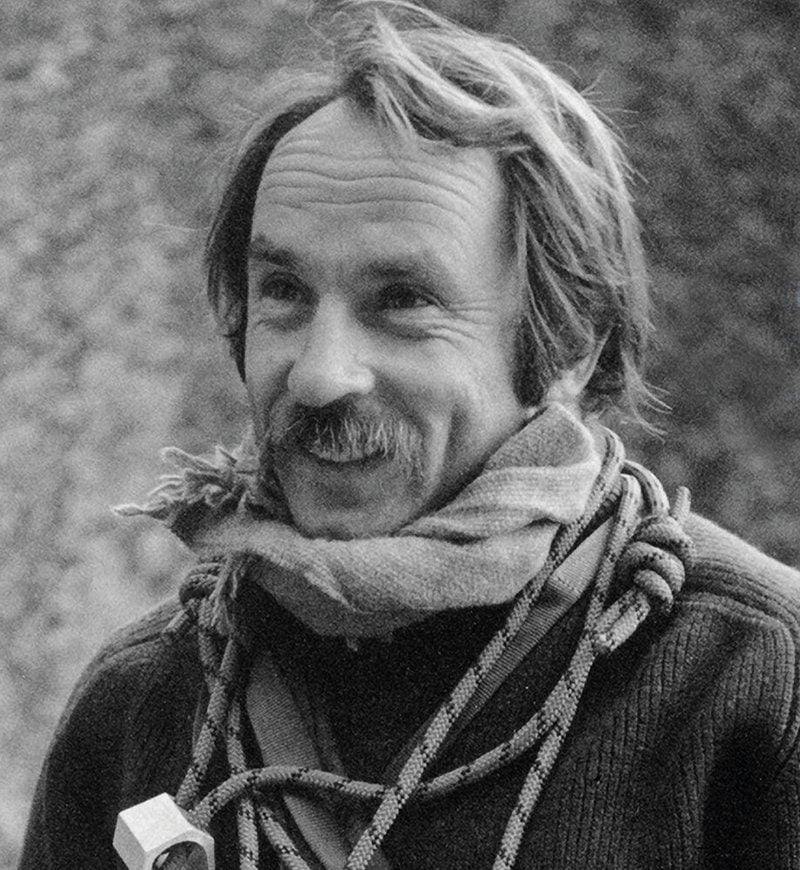
A brand so clear, so consistently lived, that it tells you something about the character of the people inside it. This is the result of decades of decisions made with integrity. Yvon Chouinard didn't build Patagonia's reputation through campaigns. He built it by being exactly who he said he was, year after year, including giving away 1% of sales when it wasn't fashionable, and eventually giving the entire company away. If you want to understand how that happened, Dirtbag Billionaire is the book.

The brand became the man. The man became the brand.
I tried to think of an Australian brand that works the way Patagonia does. Where when someone drops the name and you instantly understand something about the people who work there.
‘Thankyou’ came to mind and a few others around the edges. But nothing with that same cultural weight. Nothing where the name alone carries a worldview (at least not in a positive way).
It’s not as though we don’t have have values-led organisations here. We have leaders and organisations doing important work. But very few brands have reached the point where the name says something about the people inside it.
And that’s where the distinction is that matters. This is a whole new level. Beyond being well-known, or even being respected, it’s about a level of integrity so deeply embedded, so consistently expressed over time, that the organisation and its people become inseparable. The brand isn’t what you claim. It’s what people feel when they encounter you.
I think about the organisations we’ve worked with over the years. Founders with genuine fire. Real purpose. Real values. And when I sit with Eric’s question, I find myself asking “What would it look like if those organisations lived their values completely?” No compromise. No drift when things got hard. Purpose expressed in every decision, not just the easy ones.
It would be amazing! I struggle to even imagine it, it’s that amazing! Can you picture it?
But we all know it’s not that simple. Even I’ve made compromises over the years. When I’ve been under pressure, distracted by shiny things, tired from spinning to many plates and just trying to get through the month. I know what drift feels like from the inside. And I’ve watched it happen in good organisations led by good people. Sometimes it’s these pressures, but more often it’s leaders who simply never got clear enough on who they were to stay true to it when it mattered. For themselves, but also expressed in practical ways for their team.
I’ve sat with founders who couldn’t answer the simple questions. Who are we, really? What are we becoming? Why does this exist? Not because they didn’t care. Because they’d never fully named it. And without that clarity, their teams had no real north star. This is exacty what brand strategy is actually for. A foundation that focuses and holds
Most organisations won’t become Patagonia. That’s fine. The scale isn’t the point.
The question is simpler and harder than that.
If someone mentioned your organisation in passing, what would the listener assume about the people who work there?
If the answer doesn’t move you, that gap between who you say you are and how you actually show up is exactly what the article/guide I wrote about “the quiet unravelling” is about (definitely worth reading alongside this).
The brands that earn that kind of meaning don’t get there by wanting it. They get there by doing the hard work of becoming clear, then staying true to that clarity long enough for people to trust it.
That work is available to every organisation. Most just haven’t started yet.