
How the future of work is being reshaped by trust, flexibility and truth in action

Something is stirring in the world of work.

A shift in the story we tell ourselves – and each other – about what work is for.

Gone are the days when productivity was prized above all else, when bums-on-seats meant progress, and culture could be pasted on with perks and posters. Now, a new rhythm is rising. One where people seek purpose over perks, clarity over control, and meaning over mandates.
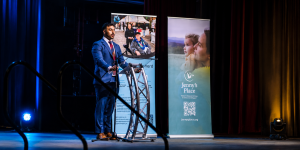
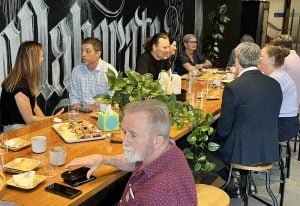
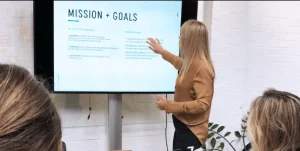
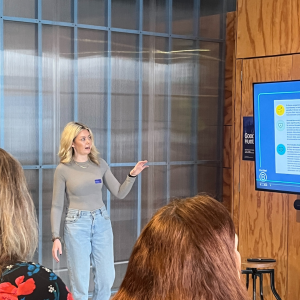
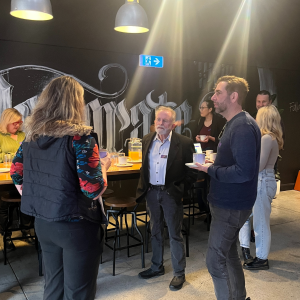
At a recent Good Hunter session, Natalia Sawran-Smith, Senior Consultant at TalentWeb, offered a powerful and practical look into the cultures that are not just surviving the future of work – but actively shaping it. These are cultures built on values, fuelled by trust, and led by leaders who understand that performance follows care.
Work has changed. It’s not going back.
Over the past few years, long-held assumptions about how and where we work have been cracked wide open. What began as a global health crisis became a reckoning with deeper questions – about meaning, fairness, autonomy and belonging.
In Deloitte’s 2024 Gen Z and Millennial Survey, over 80 percent of respondents said that purpose and values alignment are critical in their career decisions. Nearly half said they would turn down a higher-paying role if it meant compromising those values.
That’s not a trend. That’s a transformation.
It is now crystal clear: flexibility is not a benefit, it is a baseline. But meaningful flexibility is not just about location. It is about autonomy in how, when and why people work. It is about designing roles that fit real lives, not forcing lives to bend around outdated roles.
“At TalentWeb, we see this every week – people asking, ‘Will this role give me a sense of contribution?’ as much as ‘What’s the salary?’”
Purpose, contribution and alignment matter – not just to individuals, but to performance, loyalty and retention.
Burnout is not a mystery. It’s a mirror.
Yet while expectations have evolved, many workplaces have not.
Over 40 percent of Gen Z and Millennials report experiencing burnout. The issue is not just workload. It is often the disconnect between what is said and what is done. Between values that are published and values that are lived. Between flexibility promised and flexibility revoked.
Rigid return-to-office mandates, like Amazon’s, cite collaboration and productivity but offer no evidence. Atlassian’s global study tells a different story: that these kinds of blanket mandates damage trust, morale and performance, especially for carers, women and people with disabilities.
Flexibility cannot be reclaimed by command. It must be designed with trust, transparency and dialogue.
Wellness is not the same as well-being.
There’s a common trap in workplace culture: confusing superficial wellness with true well-being.
Wellness programs – yoga, fruit bowls, fitness challenges – are not bad. But they cannot fix systemic issues. They do not address underpayment, overwork, exclusion or silence.
“No yoga program can fix a toxic culture or underpay,” said Maryam Sharifzadeh. “The foundation has to be respect, fairness and trust.”
Real well-being shows up in structures, not just slogans. It lives in fair wages, realistic expectations, inclusive leadership and the freedom to rest without guilt. It lives in cultures where people feel seen and supported, not simply ‘resourced.’
Trust is not soft. It’s a system.
Trust is not a fluffy idea. It is a measurable, strategic driver of performance. High-trust workplaces are more innovative, more adaptive and more resilient.
In EY’s 2024 Work Reimagined Survey, flexibility was one of the top three drivers of retention, ranking above salary in some segments.
Values-led organisations, including certified B Corps, are demonstrating what this looks like in action. They do not just talk about care and inclusion. They embed them into governance. They make fairness a system, not just a sentiment.
Through B Lab’s Fair Work standards, companies commit to:
-
Clear contracts and expectations
-
Accessible feedback and support structures
-
Transparent decision-making and shared ownership
The results speak for themselves. Compared to industry averages, B Corps have:
-
A staff attrition rate of just 8 percent (compared to 18 percent)
-
A gender pay gap of 4 percent (versus 15 percent)
-
Higher engagement, trust and well-being across the board
TalentWeb itself has doubled in size since becoming a B Corp™. Their B Impact score rose from 83 to 93. They were named a Top 5 AFR BOSS Best Place to Work two years running. And their team members say that making a positive impact is now their number one workplace priority.
“Forward-thinking leaders are not just focused on performance. They are designing for people to thrive.”
Participation is power.
If you want people to care, let them contribute.
True engagement does not come from being told what to do. It comes from being invited in. Being asked to shape priorities, define success, and influence decisions.
This means co-designing roles around strengths. Involving teams in change before it happens. Using real feedback, not just surveys. Sharing decision-making in ways that are meaningful, not performative.
“Underperformance is often not a motivation issue. It is a misalignment issue. Are we aligned on expectations? Do they feel safe? Do they feel seen?”
Clarity and care are not opposites. They are the foundation of meaningful performance.
What now? Choose to lead differently.
So here is the challenge.
If you lead a team:
Are your values visible in your daily actions?
Are people trusted with flexibility and autonomy?
Is performance managed through conversation and clarity – or through control?
If you are part of a team:
Are you asking questions that lead to better culture?
Are you inviting participation – your own and others’?
Are you shaping the kind of workplace you want to belong to?
The future of work is not something we wait for. It is something we make – together.

Start with trust. Build with purpose. Keep people at the centre.

That is where the real performance lives. And that is where the real future begins.