
In a world where trust and authenticity are the new currency, the most inspiring brands are those that embed positive impact into their DNA. This is the promise of the Impact Business Model (IBM), a transformative approach that goes far beyond traditional corporate social responsibility. Instead of treating impact as an add-on, IBMs make it the very reason a business exists.
What Are Impact Business Models?
Impact Business Models are at the heart of the B Lab’s B Corp™ certification, a globally recognised standard for businesses that balance profit with purpose. While B Corps are assessed on their overall social and environmental performance, IBMs are a special category within the B Impact Assessment. They recognise companies whose products, services, or internal structures are intentionally designed to create a specific, measurable, and lasting positive outcome for people or the planet.
In simple terms: an IBM is a business model that is built to solve a real problem, not just make money. It’s about being specific (who are you helping, and how?), material (is the benefit significant?), verifiable (can you prove it?), lasting (is it built into your business, not just a campaign?), and extraordinary (does it go beyond what’s typical in your industry?).
Real-World Examples of IBMs in Action
Let’s bring this to life with some powerful examples:
-
Fairphone
This Dutch electronics company set out to revolutionise the smartphone industry by designing phones that are ethically sourced, easy to repair, and built to last. Their model tackles issues like conflict minerals, e-waste, and workers’ rights, proving that technology can be both innovative and responsible.

-
Warby Parker
For every pair of glasses sold, Warby Parker distributes a pair to someone in need. This “buy one, give one” model is woven into their business, not just a marketing campaign, and has helped millions see more clearly.

-
Patagonia
Famous for its environmental activism, Patagonia’s business model is built around regenerating natural systems. From using recycled materials to funding grassroots environmental groups, their impact is both broad and deep.

-
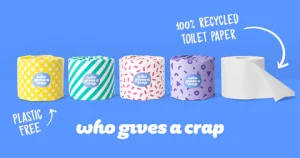
Who Gives A Crap
This Australian company donates 50% of its profits to build toilets and improve sanitation in developing countries. Their entire business is structured to address a critical global health issue.
These are not side projects; they are the core of how these companies operate and grow.
Why Do IBMs Matter for B Corps and Beyond?
B Corp™ certification is a rigorous process, and having an IBM can significantly boost your score. But more importantly, IBMs are a signal to your customers, team, and community that you’re serious about making a difference. They help you stand out in a crowded market, attract values-aligned talent, and build trust that lasts.
How Can You Start?
Start by asking: What change do you want to see in the world? Who do you want to serve? How can your business model deliver that impact, not as an afterthought, but as your core purpose? For inspiration, explore B Lab’s list of Impact Business Models and see how others are leading the way.
Want to dive deeper? Join us for our next Good Hunter event, where we’ll be explore Impact Business Models in practice.
At Mezzanine, we believe every business can be a force for good. If you’re ready to design a business that changes the world, let’s make it happen together.